ERPLI
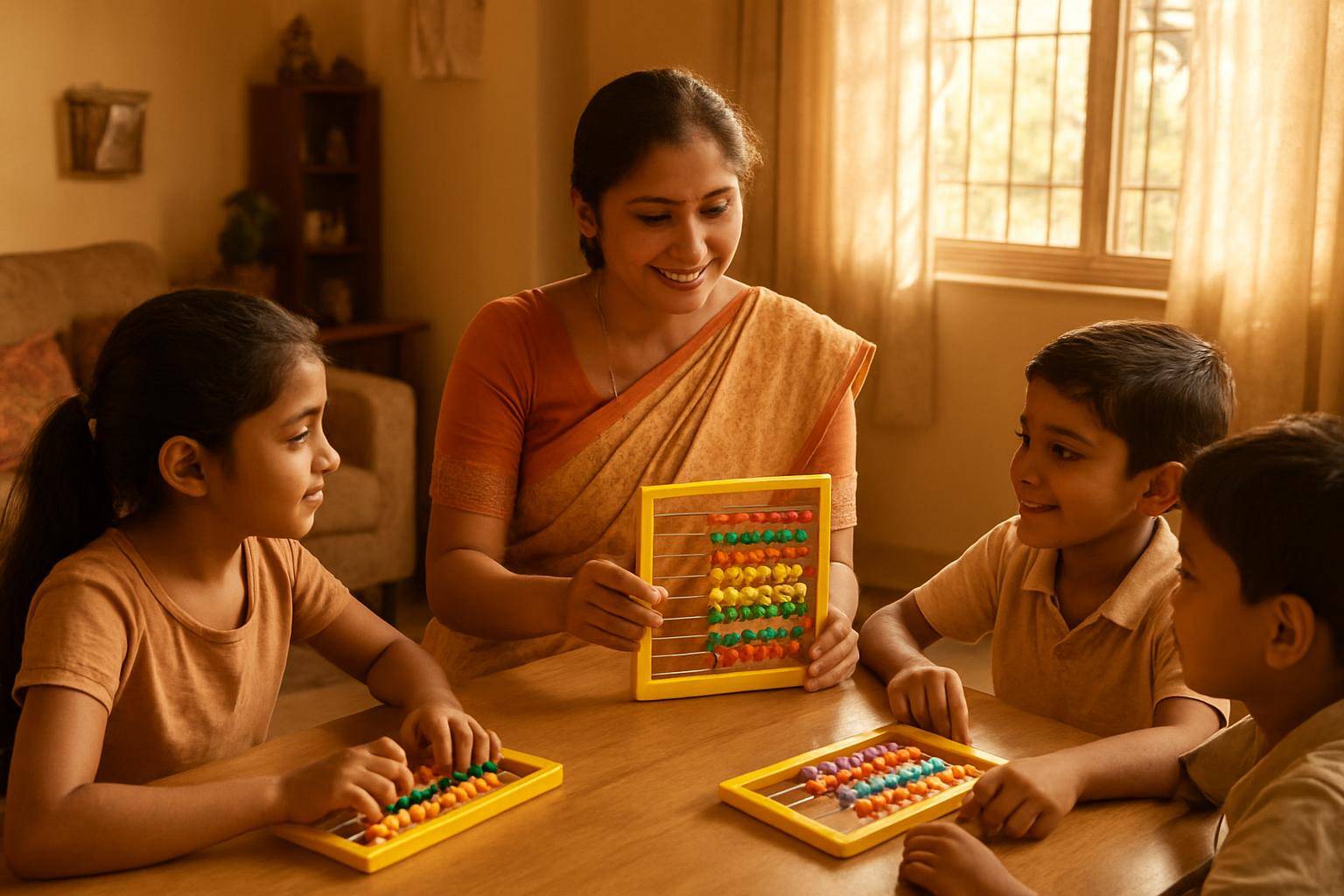
Short answer: Abacus classes for housewives offer a flexible and rewarding way to earn from home, working comfortably around your children’s school hours. You don’t need a shop or expensive setup—just basic training, a few materials, and a willingness to teach. Many mothers run successful abacus academies from their living rooms or online, managing afternoon batches and earning steady income.
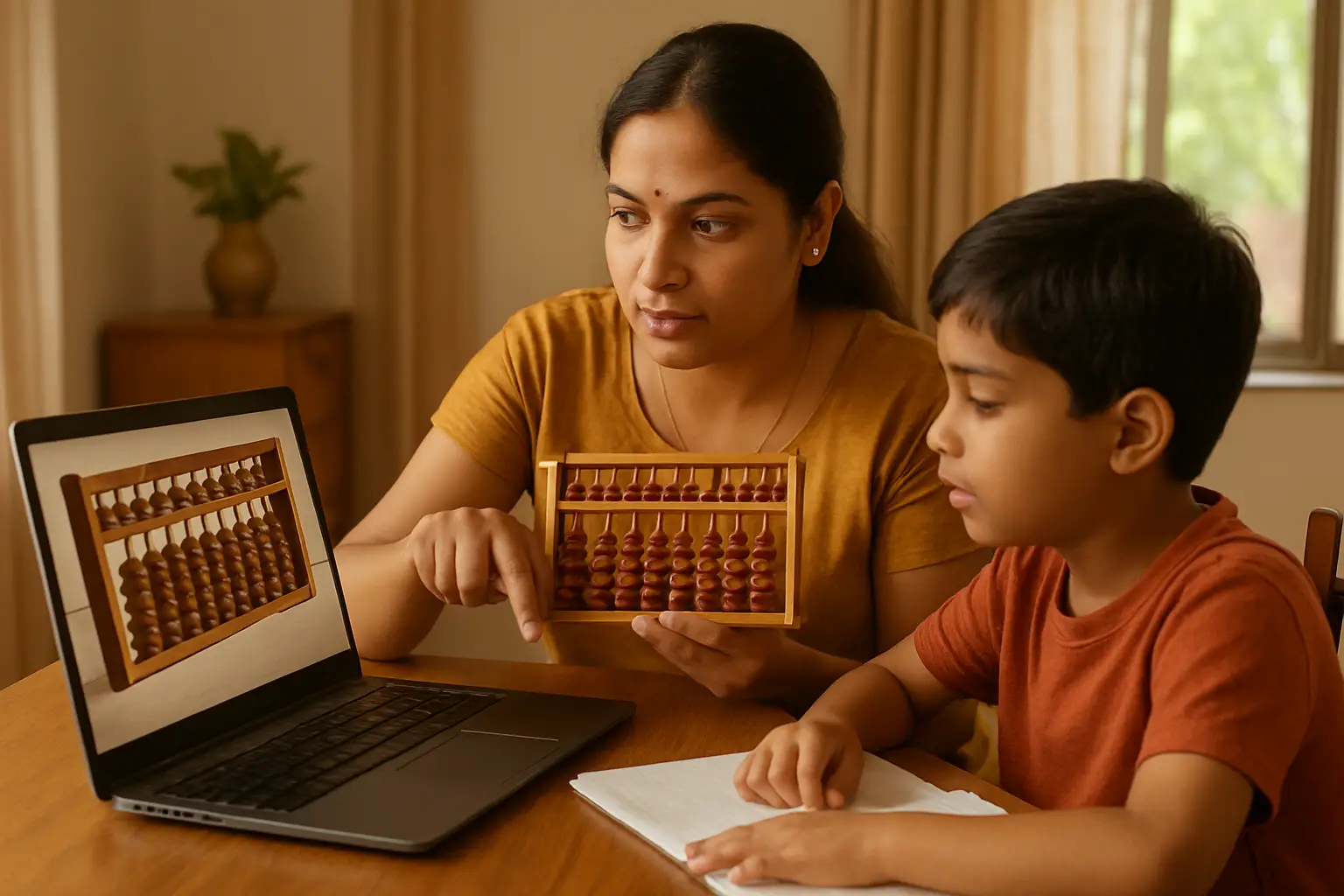
Why abacus classes for housewives work
- Flexible timing: Most students are available after school (3:30–7 pm), perfect for mothers managing home duties.
- Low start-up cost: Typically ₹5,000–₹15,000 for kits, basic training, and initial marketing. No need for a rented shop.
- Demand: Parents increasingly seek after-school maths programs, especially for primary classes (see NEP 2020).
- Work-life balance: Teach from your living room, or run online batches using platforms like ERPLI.
- Growth potential: Start with 5–10 students and scale up to 50+ as your reputation grows.
Example weekly schedule for housewives
Here’s a sample timetable for abacus classes for housewives, balancing school routines and family needs:
| Day | Time | Batch Type | Notes |
|---|---|---|---|
| Monday | 4–5 pm | Level 1 (Juniors) | After school, younger kids |
| Wednesday | 4–5:30 pm | Level 2 | Slightly advanced batch |
| Thursday | 5–6 pm | Online batch | For remote students |
| Friday | 3:30–4:30 pm | Level 1 (Juniors) | Flexible for early finishers |
| Saturday | 11 am–1 pm | Mixed levels | Weekend, larger batch |
- Most housewives run 3–6 batches per week, with each batch 5–10 students.
- You can adjust days/times as per your and your students’ school schedules.
What you need to get started
- Basic abacus training: Many trainers offer 2–4 week certification courses, costing ₹3,000–₹8,000 (varies by city).
- Abacus kits: Start with 10–20 kits (₹120–₹300 each, depending on quality).
- Teaching materials: Printed worksheets, workbooks, or use digital abacus tools.
- Space: A clean table and chairs in your living room OR a quiet space for online classes.
- Marketing: Word of mouth, WhatsApp groups, or a simple Google Business Profile.
- Software: ERPLI or similar helps manage batches, fees, and online teaching. See abacus academy from home for more on setup.
Teaching options: Offline, online or hybrid
- Offline (in-person): Host students at home. Personal touch, easy for young kids.
- Online: Use live video + digital abacus apps. Works well post-pandemic, especially for older children or distant students.
- Hybrid: Combine both—run some batches at home, some online. Reduces crowding, expands your reach.
- ERPLI supports live and recorded lessons, so you can mix formats easily.
Tools that help
- WhatsApp/Telegram groups for communication
- ERPLI Abacus LMS for student management, fee collection, and digital practice
- Free digital abacus tools for demonstration
Income and costs: What to expect
- Student fees: Typically ₹600–₹1,200/month per student (varies by city and level).
- Batch size: Start with 5–10 students; expand up to 50+ as reputation grows.
- Monthly income: With 20 students at ₹800 each, earn ₹16,000/month (before expenses).
- Expenses:
- Abacus kits: ~₹2,000–₹6,000 (once)
- Training: ~₹3,000–₹8,000 (once)
- ERPLI software: ₹50/student/month up to 30 students
- Marketing: ₹500–₹2,000 (flyers, WhatsApp, Google profile)
- Profit: Most housewives report earning ₹10,000–₹30,000/month within 6–12 months, depending on effort and local demand.
| Expense Type | Typical Cost (₹) | Frequency |
|---|---|---|
| Abacus kits | 2,000–6,000 | One-time |
| Training | 3,000–8,000 | One-time |
| ERPLI software | 50/student/month | Monthly |
| Marketing | 500–2,000 | Monthly |
| Internet/Data | 400–1,000 | Monthly |
Managing batches, fees and progress
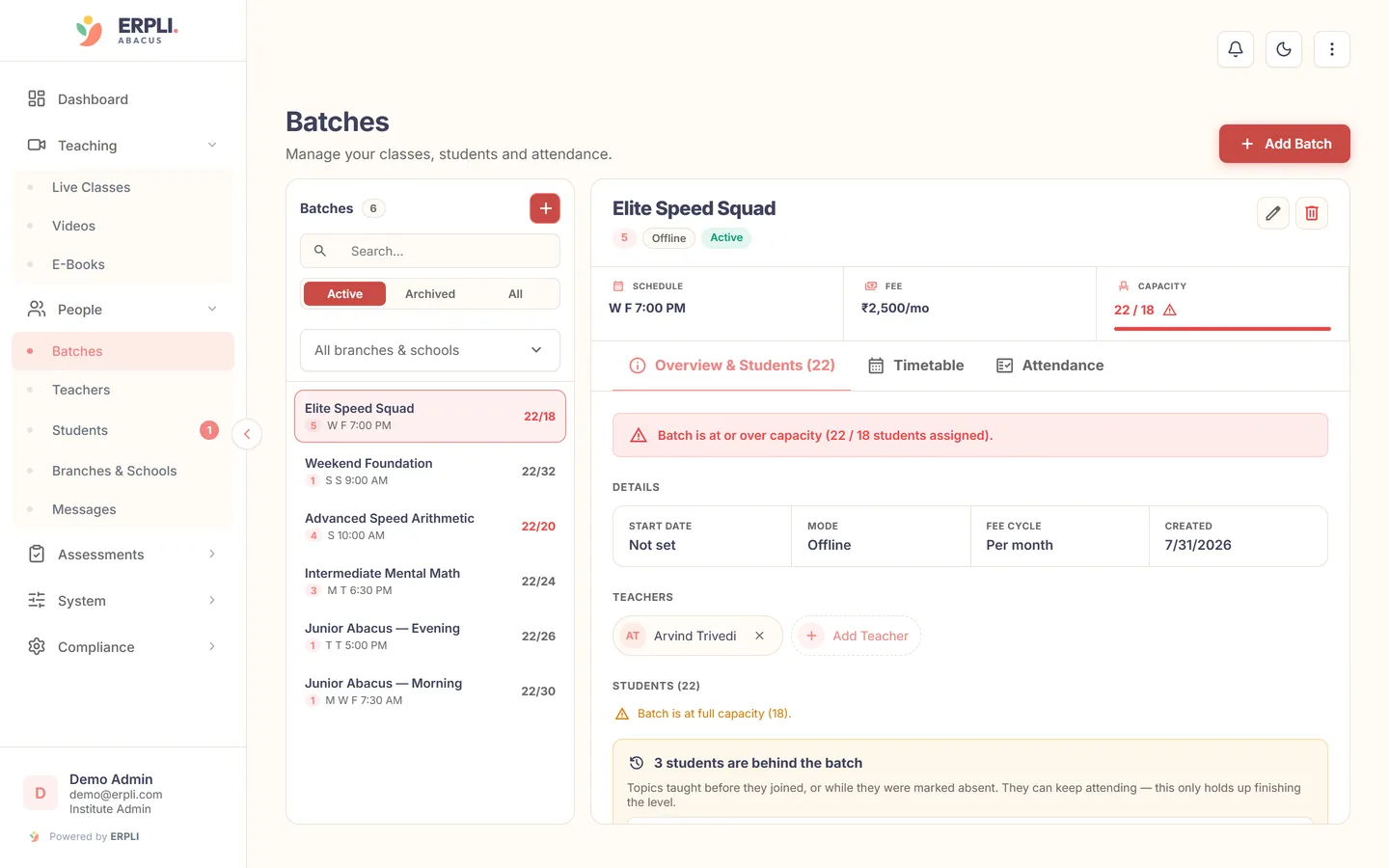
- Use ERPLI or similar to:
- Create batches and set schedules
- Collect fees (UPI, bank transfer, cash)
- Track attendance and student progress
- Assign digital worksheets and practice sets
- This saves hours of manual work and avoids confusion with multiple WhatsApp groups or paper registers.
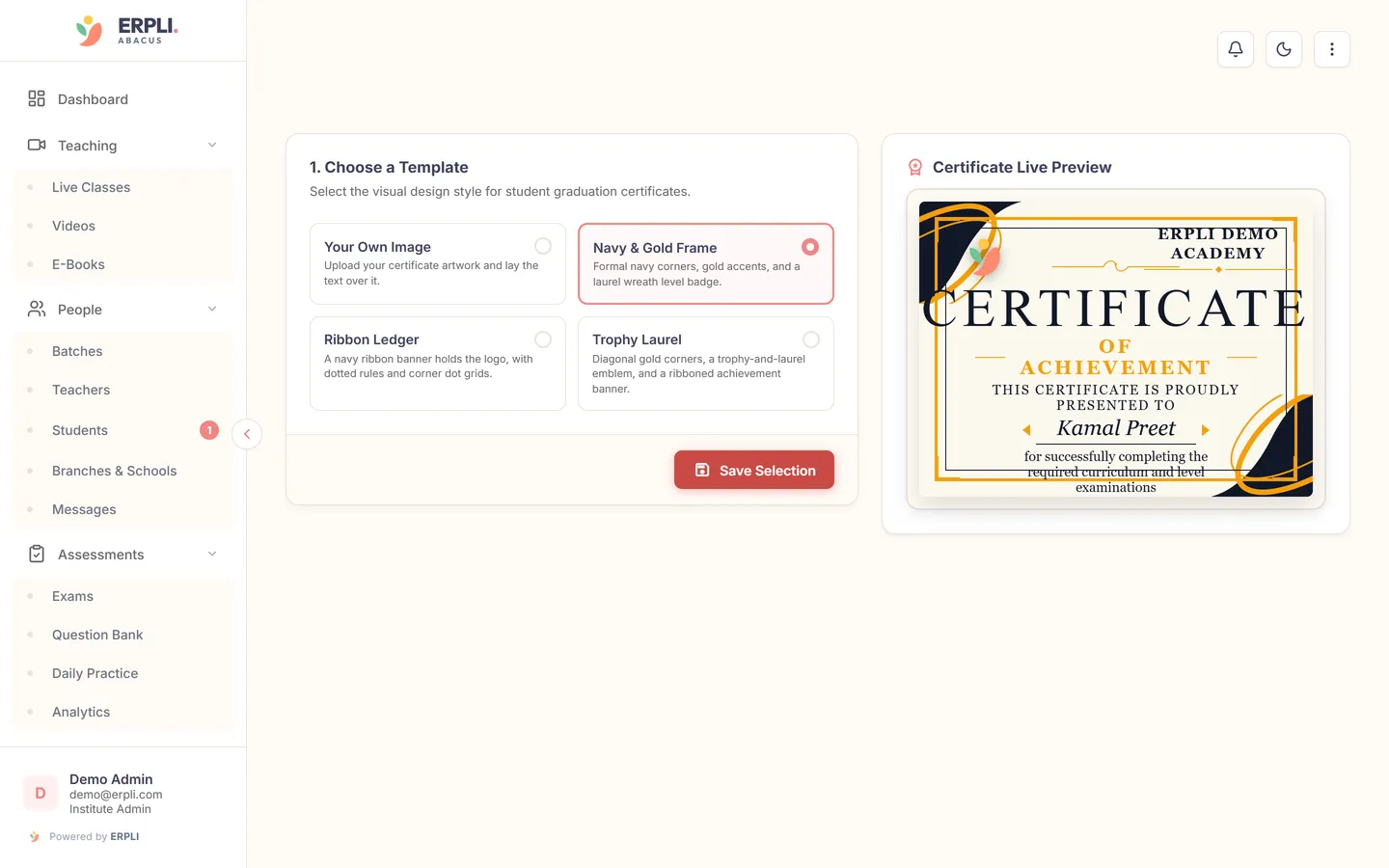
- Parents appreciate regular updates and certificates, which you can generate easily in ERPLI.
Building your own abacus brand
- No franchise required: You can start as an independent tutor—no need to pay franchise fees if you use your own name.
- Branding options: ERPLI offers a branded app and website (included in software fee), so you appear professional from day one.
- Franchise route: If you prefer a known brand, some networks offer franchise models, typically charging ₹10,000–₹40,000 upfront plus a monthly fee (see how franchising works).
- Own brand: Many housewives prefer to build their own name locally; ERPLI supports this with custom branding tools.
Tips for success as a home-based abacus teacher
- Start small—5 students is enough to build confidence.
- Use local WhatsApp groups and school contacts to find your first students.
- Keep classes short (45–60 min), fun, and interactive.
- Offer a free trial class to attract parents.
- Stay updated with new abacus methods—use resources like abacus syllabus by level.
- Celebrate student achievements with certificates and small rewards.
- Keep learning: Join online communities, attend webinars, and explore Vedic Maths for extra value.